
Introduction: The Importance of Legal and Technical Compliance in Stormwater Management
As urban areas continue to expand, managing stormwater becomes increasingly complex. Cities face the dual challenge of preventing flood damage and ensuring that their stormwater systems comply with a growing body of regulations designed to protect the environment and promote sustainability. Proper stormwater management not only helps cities manage water effectively but also ensures compliance with local, national, and international laws.
In this article, we will explore the critical legal and technical aspects of stormwater management, focusing on the regulations governing urban drainage systems, water quality control, and the technologies that help cities meet compliance standards.
The Legal Landscape: Key Regulations for Stormwater Management
Various legal frameworks govern the design, implementation, and maintenance of stormwater management systems. These regulations ensure that urban development projects minimize their impact on the environment, mitigate flood risks, and improve water quality. Below are some of the most relevant legal frameworks:
1. The Clean Water Act (CWA) – United States
The Clean Water Act is one of the most important federal regulations for stormwater management in the U.S. It establishes requirements for controlling water pollution and mandates the use of Best Management Practices (BMPs) to minimize runoff.
Key requirements:
-
National Pollutant Discharge Elimination System (NPDES) permits: These permits are required for cities and municipalities to discharge stormwater into rivers, lakes, and streams.
-
Stormwater Control Measures (SCMs): Implementation of effective stormwater management practices, such as infiltration systems, attenuation tanks, and green infrastructure.
For any urban drainage system, compliance with the CWA is essential to prevent water contamination and avoid legal penalties.
2. European Union Water Framework Directive (WFD)
The European Union’s Water Framework Directive sets out a comprehensive framework for the protection of all water bodies in Europe. It aims to ensure sustainable water management by requiring member states to achieve “good status” for water bodies.
Key requirements:
-
Integrated water management: Promotes integrated management of water, including stormwater, through the use of sustainable drainage systems (SuDS).
-
Flood risk management: Requires cities to identify flood-prone areas and implement risk-reduction measures, including stormwater systems designed to handle extreme weather events.
The WFD helps guide the design of stormwater management systems across Europe, ensuring that urban areas meet water quality standards while maintaining ecological balance.
3. The National Stormwater Management Regulations (Various Countries)
Many countries have their own national regulations and guidelines for stormwater management, designed to ensure the safety of urban populations and protect natural water bodies. For example, in the United Kingdom, the Water Resources Act governs stormwater discharges and sets water quality standards for urban runoff.
Key requirements:
-
Sustainable drainage: Encourages the use of SuDS and green infrastructure to manage rainwater on-site and reduce reliance on traditional drainage systems.
-
Pollution control: Regulations set limits on pollutants, including heavy metals, oils, and chemicals, which must be removed from stormwater before discharge into rivers or lakes.
By following these regulations, cities can ensure that their stormwater systems are both compliant and effective at preventing pollution.
The Technical Standards for Stormwater Management Systems
While understanding the legal requirements is crucial, implementing compliant stormwater systems requires the use of specific technologies and engineering solutions. Below are some of the key technical standards and systems used in stormwater management:
1. Best Management Practices (BMPs) for Stormwater Control
BMPs are the cornerstone of effective stormwater management. They include a variety of techniques and technologies designed to control runoff, prevent pollution, and enhance water quality. Some common BMPs include:
-
Infiltration systems: Technologies like infiltration trenches and soakaway pits allow rainwater to be absorbed by the ground, reducing surface runoff and replenishing groundwater.
-
Detention and retention systems: These systems temporarily store stormwater and release it slowly into the drainage system, preventing flooding and erosion.
-
Green infrastructure: Solutions like green roofs, rain gardens, and permeable pavements absorb stormwater on-site, reducing the load on conventional drainage systems.
2. Compliance with Environmental Protection Standards
In addition to legal requirements, stormwater management systems must also meet various environmental protection standards. These include compliance with:
-
Water quality standards: Ensuring that stormwater runoff does not carry harmful pollutants (such as oils, heavy metals, or pesticides) into rivers and lakes.
-
Environmental Impact Assessments (EIA): Projects involving significant changes to the landscape, such as new developments or infrastructure upgrades, must undergo an EIA to assess the potential environmental impacts and identify mitigation measures.
3. Use of Smart Technologies for Real-Time Monitoring
Emerging technologies are enabling cities to manage stormwater more effectively and in compliance with legal standards. These technologies include:
-
Smart sensors: Installed in stormwater systems, these sensors monitor water levels, quality, and flow rates in real-time, helping operators detect issues such as blockages, overflows, or pollution events.
-
Data analytics: By collecting and analyzing stormwater data, cities can optimize the performance of their drainage systems and predict future water management needs based on weather patterns and historical data.
-
Remote management: With the integration of IoT devices, cities can remotely monitor and manage stormwater systems, ensuring timely maintenance and improving overall system efficiency.
Case Study: Implementing Compliant Stormwater Solutions in a Major Urban Area
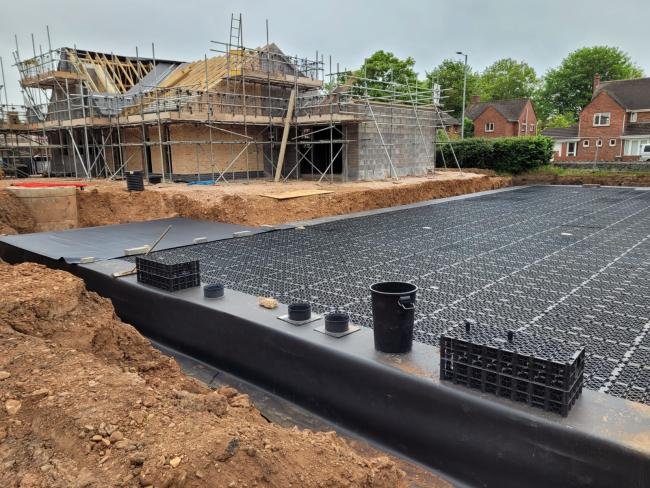
In a recent urban development project in Paris, EngXDoc collaborated with local authorities to design a stormwater management system that met both the EU Water Framework Directive and French national regulations. The system included a combination of infiltration systems and attenuation tanks, along with green infrastructure such as rain gardens and permeable pavements.
By implementing these solutions, the city was able to reduce flooding, improve water quality, and meet environmental protection standards, all while adhering to legal requirements.
Conclusion: Ensuring Compliance in Stormwater Management Projects
Compliance with stormwater management regulations is essential for any urban infrastructure project. By understanding the legal requirements and implementing the right technical solutions, cities can not only prevent flooding and water pollution but also create sustainable urban environments that promote ecological balance.
EngXDoc offers a range of stormwater management solutions designed to meet the highest legal and technical standards. Our systems are compliant with local, national, and international regulations, ensuring that your projects are both environmentally responsible and legally sound.
Call to Action:
If you’re planning a stormwater management project, contact us today to ensure your designs meet all regulatory and technical requirements. Get in Touch for a consultation.
Recent Comments