Introduction: The Link Between Stormwater Management and Urban Sustainability
As cities continue to grow, urban sustainability has become one of the most important goals for governments, businesses, and residents alike. Sustainability in urban planning involves reducing environmental impacts, promoting energy efficiency, improving water quality, and enhancing the resilience of cities to climate change. Stormwater management plays a crucial role in achieving these objectives.
Traditional urban development has led to increased impervious surfaces—such as roads, buildings, and parking lots—which in turn leads to increased stormwater runoff. This excess runoff can overwhelm drainage systems, cause flooding, and pollute water bodies. Therefore, the management of stormwater is not just a technical challenge but a critical element of sustainable urban development.
In this article, we explore how effective stormwater management systems contribute to urban sustainability and discuss the innovative technologies that can drive green transformation in cities.
1. The Role of Stormwater Management in Urban Sustainability
Stormwater management is an essential component of urban sustainability for several reasons:
-
Flood Prevention: By controlling and managing stormwater runoff, cities can reduce the risk of flooding, which can cause damage to property, infrastructure, and the environment.
-
Water Quality Improvement: Proper stormwater management helps prevent pollutants (such as oils, chemicals, and trash) from being washed into rivers, lakes, and oceans, improving water quality and protecting aquatic ecosystems.
-
Groundwater Recharge: Effective stormwater management techniques, such as infiltration systems, help replenish groundwater supplies, ensuring a sustainable water source for cities.
-
Climate Change Adaptation: Stormwater systems that incorporate green infrastructure can help cities become more resilient to extreme weather events, such as heavy rainfall and heatwaves, by improving water absorption and reducing surface temperatures.
In short, managing stormwater in a sustainable way not only helps cities protect the environment but also supports the long-term viability of urban areas.
2. Sustainable Urban Drainage Solutions: Combining Technology and Nature
To address the challenges of urban stormwater management and promote sustainability, cities must integrate a variety of sustainable drainage solutions (SuDS) into their urban infrastructure. These solutions combine engineering technology with natural processes to manage rainwater in a way that reduces environmental impact and enhances the urban ecosystem.
Key Sustainable Drainage Solutions Include:
-
Green Infrastructure: Integrating nature into urban spaces through the use of green roofs, permeable pavements, rain gardens, and bioswales helps capture and store stormwater while promoting biodiversity.
-
Infiltration Systems: These systems, such as infiltration trenches and soakaway pits, allow rainwater to seep into the ground, reducing runoff and recharging groundwater.
-
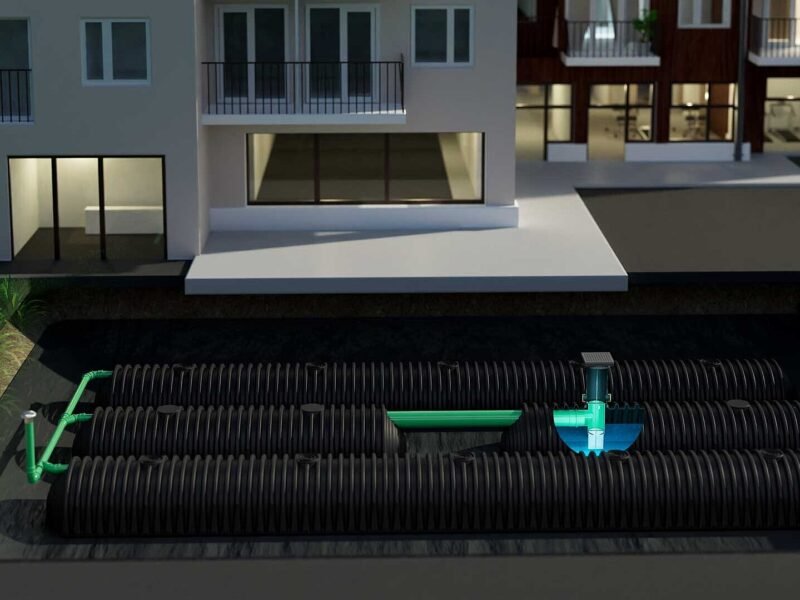
Stormwater Attenuation: Attenuation tanks and basins temporarily store excess stormwater and slowly release it into the drainage system, preventing flooding and improving water flow control.
-
Rainwater Harvesting: Capturing and storing rainwater for non-potable uses (such as irrigation and landscape maintenance) reduces the demand on municipal water supplies and promotes water conservation.
By combining both engineered solutions and natural systems, cities can create a balanced approach to stormwater management that enhances urban sustainability.
3. Green Infrastructure: The Key to Sustainable Urban Development
Green infrastructure refers to the use of natural systems, such as vegetation, soil, and water bodies, to manage stormwater and create a more sustainable urban environment. Unlike traditional “grey” infrastructure, which relies on concrete and steel, green infrastructure integrates ecological solutions into urban planning.
Benefits of Green Infrastructure for Urban Sustainability:
-
Improved Water Management: Green infrastructure absorbs and retains rainwater, reducing runoff and preventing flooding while improving water quality.
-
Reduction of the Urban Heat Island Effect: Green infrastructure helps cool cities by providing shade, reducing surface temperatures, and improving overall climate resilience.
-
Biodiversity Support: Green infrastructure systems, such as urban wetlands and tree canopies, create habitats for wildlife, supporting urban biodiversity and ecosystem health.
-
Enhanced Aesthetics and Livability: Green spaces improve the visual appeal and overall quality of life in urban areas, making them more attractive for residents, workers, and visitors.
Cities like Berlin, New York, and London have successfully integrated green infrastructure into their urban design to reduce flood risks, enhance green spaces, and meet sustainability goals.
4. Case Study: Sustainable Stormwater Management in Paris
In a recent urban redevelopment project in Paris, green infrastructure solutions were implemented to manage stormwater runoff and support sustainable urban growth. The project included the use of rain gardens, permeable pavements, and infiltration systems, which helped reduce flooding and improve water quality in the city’s urban areas.
Key Outcomes:
-
Flood Reduction: The use of stormwater attenuation tanks and infiltration systems reduced the frequency and severity of flooding events, protecting both infrastructure and residential areas.
-
Water Quality Improvement: Green infrastructure systems filtered pollutants from stormwater, improving water quality and protecting the city’s rivers and lakes.
-
Urban Livability: The addition of rain gardens and green roofs provided aesthetic and ecological benefits, improving the overall livability of the area.
This case study demonstrates the benefits of combining innovative engineering solutions with green infrastructure to create sustainable, resilient cities.
5. The Future of Stormwater Management: Innovations for a Sustainable Urban Future
As cities continue to expand, the need for sustainable stormwater management solutions will only increase. The future of stormwater management lies in innovative technologies and integrated approaches that combine natural processes with cutting-edge engineering solutions.
Key Trends in Stormwater Management:
-
Smart Stormwater Systems: The integration of IoT sensors and real-time data analytics will allow cities to monitor and manage stormwater systems more efficiently, predicting flooding events and optimizing drainage system performance.
-
Modular Stormwater Solutions: Prefabricated and modular systems offer scalable, cost-effective solutions for urban stormwater management, allowing for faster installation and greater flexibility.
-
Climate-Resilient Design: Future stormwater systems will be designed to withstand extreme weather events and adapt to changing climate conditions, improving urban resilience and protecting communities from climate-related risks.
At EngXDoc, we are committed to providing innovative stormwater management solutions that meet the growing challenges of urban sustainability. Our products, such as infiltration systems, attenuation tanks, and green infrastructure solutions, are designed to create cities that are resilient, sustainable, and ready for the future.
Conclusion: Creating Sustainable Cities through Stormwater Management
Effective stormwater management is essential for creating sustainable, resilient cities. By integrating green infrastructure, using advanced stormwater technologies, and complying with environmental standards, cities can reduce flooding, improve water quality, and enhance urban livability.
EngXDoc provides a range of stormwater management solutions that can help cities achieve their sustainability goals. Contact us today to learn more about our innovative technologies and how we can support your next urban development project.
Call to Action:
Ready to take the next step in creating a sustainable, stormwater-efficient city?
Contact Us today for a consultation.
Recent Comments