
Introduction: The Need for Technological Innovation in Stormwater Management
As cities around the world grow, managing stormwater efficiently has become more challenging. Traditional drainage systems, while effective in the past, are increasingly inadequate in handling the volume of water caused by climate change and rapid urbanization. The rising frequency of extreme weather events, such as heavy rainfall and flooding, further emphasizes the need for more advanced and sustainable solutions.
In this blog, we explore the latest advancements in stormwater management technologies that are revolutionizing urban infrastructure. These innovations are not only improving the efficiency of existing systems but also paving the way for future-ready cities that are better prepared to manage water sustainably and adapt to climate change.
1. Smart Stormwater Systems: Real-Time Monitoring and Control
One of the most significant advancements in stormwater management technology is the integration of smart systems. These systems use sensors, data analytics, and automation to optimize stormwater management in real time. By collecting and analyzing data, smart stormwater systems can make immediate adjustments to prevent flooding, ensure the efficient operation of drainage systems, and improve water quality.
Key Components of Smart Stormwater Systems:
-
Real-time monitoring: Sensors are installed in stormwater infrastructure to track water levels, flow rates, and quality. This allows for continuous monitoring and immediate response to changes in conditions.
-
Automated control: Smart systems can automatically adjust stormwater infrastructure, such as opening or closing valves and gates, to control water flow and reduce the risk of flooding.
-
Predictive analytics: Using historical data, weather forecasts, and IoT data, these systems can predict stormwater events and help cities prepare in advance, optimizing resource allocation.
By leveraging smart technology, cities can reduce operational costs, improve system efficiency, and minimize environmental impacts.
2. Green Infrastructure: Integrating Nature into Urban Design
Green infrastructure refers to the use of natural processes to manage stormwater and reduce its environmental impact. Unlike traditional grey infrastructure, which relies on concrete and steel, green infrastructure integrates natural elements like vegetation, soil, and water bodies into urban spaces. This approach not only helps manage stormwater but also provides a host of additional environmental benefits, such as improved air quality and increased biodiversity.
Examples of Green Infrastructure Technologies:
-
Green roofs: Vegetated roofs that absorb rainwater and reduce runoff. They also provide insulation, reduce the heat island effect, and enhance urban aesthetics.
-
Rain gardens: Shallow, planted depressions that capture stormwater runoff, allowing it to filter through soil and plants before returning to the environment.
-
Permeable pavements: Pavement systems designed to allow water to pass through and infiltrate into the ground, reducing runoff and replenishing groundwater supplies.
-
Constructed wetlands: Engineered wetlands that mimic natural processes to filter stormwater, remove contaminants, and provide habitat for wildlife.
Green infrastructure technologies are not only environmentally beneficial but also offer cost-effective, low-maintenance alternatives to traditional drainage systems.
3. Advanced Filtration Technologies for Water Quality Improvement
As stormwater runoff often carries pollutants such as oil, heavy metals, and sediments, improving water quality is a critical aspect of stormwater management. Advanced filtration technologies are helping cities meet stringent water quality standards while reducing the impact of urban runoff on natural ecosystems.
Innovative Filtration Technologies:
-
Bioretention systems: These systems use layers of soil, plants, and gravel to filter out pollutants from stormwater before it reaches the drainage system or natural water bodies.
-
Hydrodynamic separators: These devices are designed to remove suspended solids, oils, and other pollutants from stormwater using centrifugal forces. They are commonly used in areas with high traffic volumes or industrial runoff.
-
Membrane filtration: A high-tech solution that uses semi-permeable membranes to filter out fine particles and contaminants from stormwater. These systems are particularly useful in highly urbanized areas where pollution levels are high.
Advanced filtration technologies are helping cities meet environmental regulations and improve water quality without the need for large-scale, expensive infrastructure upgrades.
4. Stormwater Harvesting: Reusing Water for Urban Needs
Another innovative stormwater management solution is stormwater harvesting. By capturing and storing rainwater, cities can reduce their reliance on municipal water supplies, lower water costs, and create a sustainable water source for non-potable uses, such as irrigation, industrial processes, and landscape maintenance.
Stormwater Harvesting Technologies:
-
Rainwater collection systems: These systems capture rainwater from rooftops and store it in tanks for later use. They can be integrated into buildings, parks, or other urban spaces.
-
Subsurface storage systems: Stormwater is stored underground in large tanks or reservoirs, where it can be used for irrigation or landscape irrigation purposes.
-
Treatment systems: Stormwater can be treated to remove contaminants and make it suitable for non-potable uses, such as cooling systems or industrial cleaning.
Stormwater harvesting technologies help cities conserve water, reduce stormwater runoff, and lower demand on traditional water infrastructure.
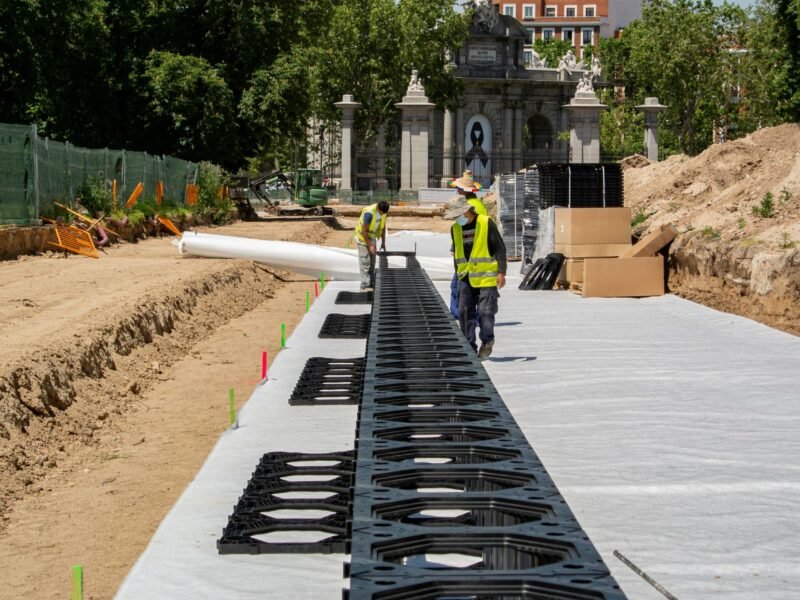
5. Modular and Prefabricated Stormwater Management Systems
In an effort to streamline stormwater management and reduce construction time, many cities are turning to modular and prefabricated systems. These systems are designed off-site and then assembled at the project location, reducing labor costs and installation time.
Benefits of Modular Systems:
-
Quick installation: Prefabricated systems can be quickly installed, minimizing disruption to urban areas.
-
Scalability: Modular systems can be expanded as needed, making them ideal for both small and large-scale projects.
-
Consistency: Off-site manufacturing ensures consistent quality and performance across all components of the system.
Modular and prefabricated stormwater systems are increasingly being used in both new developments and retrofitting existing urban infrastructure.
Conclusion: Embracing Innovation in Stormwater Management
The integration of innovative stormwater management technologies is essential for cities to meet the growing challenges of climate change, urbanization, and environmental protection. By adopting solutions such as smart stormwater systems, green infrastructure, advanced filtration, stormwater harvesting, and modular systems, cities can create more resilient, sustainable, and efficient infrastructure.
At EngXDoc, we are committed to providing cutting-edge stormwater management solutions that meet the highest technical standards and help cities achieve their sustainability goals. Our products, including infiltration systems, attenuation tanks, and green infrastructure solutions, are designed to ensure effective, sustainable stormwater management for urban areas.
Call to Action:
Interested in learning more about the latest stormwater management technologies and how they can improve your urban infrastructure projects?
Contact Us today for a consultation.
Recent Comments