
Introduction: The Growing Importance of Green Infrastructure
As cities grow, the need for sustainable, resilient urban infrastructure becomes more urgent. Urban areas are particularly vulnerable to the effects of climate change, including extreme weather events such as heavy rainfalls and rising temperatures. Traditional infrastructure solutions, like concrete drainage systems, are no longer sufficient to address the complex challenges posed by urbanization and climate change.
This is where green infrastructure comes in. Green infrastructure refers to the use of natural processes and ecological systems—such as vegetation, soil, and water bodies—to manage water, improve air quality, and promote biodiversity. By integrating green infrastructure into urban development, cities can reduce their environmental impact, enhance their resilience to climate change, and create healthier, more livable spaces for residents.
In this blog, we will explore how integrating green infrastructure solutions into urban development projects can help cities achieve their sustainability goals while providing long-term benefits for the environment and society.
The Challenges of Urbanization and the Role of Green Infrastructure
Urbanization presents several challenges to cities, including:
-
Increased Flooding: Urbanization leads to the replacement of permeable surfaces (such as soil and grass) with impervious materials like asphalt and concrete. This increases runoff and overloads drainage systems, leading to frequent flooding.
-
Water Pollution: Stormwater runoff often carries pollutants (like oil, debris, and chemicals) from roads and buildings into rivers and lakes, harming aquatic ecosystems.
-
Urban Heat Island Effect: Cities tend to be warmer than surrounding rural areas due to the heat-absorbing nature of urban surfaces, contributing to higher energy consumption and heat-related health issues.
Green infrastructure offers an innovative solution to these challenges by integrating natural systems into the built environment. It provides effective methods for managing stormwater, reducing heat, and enhancing the urban ecosystem, while also improving quality of life for residents.
Key Green Infrastructure Solutions for Urban Sustainability
Green infrastructure includes a variety of systems designed to enhance sustainability, improve urban resilience, and address environmental issues. Below are some of the most widely used green infrastructure solutions:
1. Permeable Pavements: Managing Stormwater Naturally
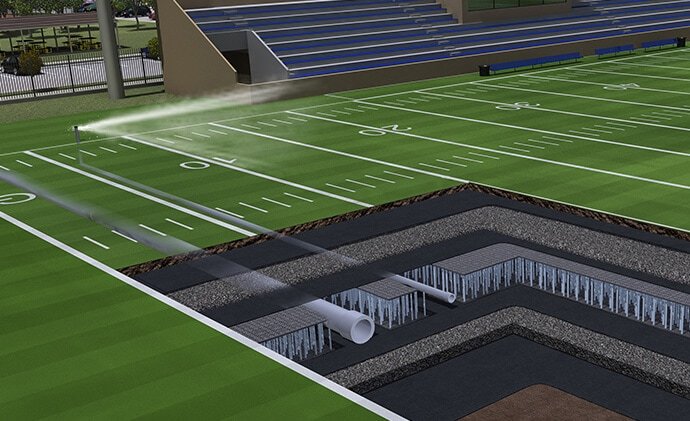
Permeable pavements allow rainwater to pass through the surface and infiltrate into the ground, reducing runoff and recharging groundwater supplies. These pavements are ideal for parking lots, walkways, and roads in urban areas where traditional drainage systems may not be effective.
Key benefits:
-
Stormwater absorption: Helps reduce runoff and flooding.
-
Groundwater recharge: Contributes to replenishing underground water sources.
-
Reduction of water pollution: Filters water as it passes through the pavement, removing contaminants.
2. Green Roofs: Enhancing Buildings with Nature
Green roofs are vegetation-covered rooftops that help absorb rainwater, provide insulation, and enhance biodiversity in urban areas. By reducing the amount of runoff from buildings, green roofs help manage stormwater and mitigate the urban heat island effect.
Key benefits:
-
Stormwater management: Green roofs can absorb significant amounts of rainwater, reducing pressure on drainage systems.
-
Energy efficiency: Helps regulate building temperature, reducing energy costs.
-
Biodiversity support: Provides habitats for birds, insects, and other wildlife.
3. Rain Gardens: Creating Eco-Friendly Spaces
Rain gardens are shallow, vegetated areas designed to capture and filter rainwater runoff. They are typically planted with native plants and help manage stormwater by allowing water to infiltrate into the soil, preventing flooding and water pollution.
Key benefits:
-
Flood prevention: Absorbs and holds water during heavy rain.
-
Water quality improvement: Filters out pollutants from stormwater before it reaches rivers or lakes.
-
Aesthetic value: Adds beauty and green space to urban environments.
4. Bioswales: Natural Drainage Solutions
Bioswales are landscape features designed to convey and treat stormwater runoff. These systems use plants, soil, and gravel to filter and slow down the flow of water, allowing it to infiltrate the ground and reduce the risk of flooding.
Key benefits:
-
Water filtration: Removes contaminants from stormwater before it reaches natural bodies of water.
-
Enhanced runoff control: Slows down stormwater and prevents erosion.
-
Improved aesthetics: Beautifies urban landscapes while addressing drainage issues.
5. Urban Tree Canopy: Reducing Heat and Enhancing Resilience
Trees provide shade and help cool urban areas by reducing the urban heat island effect. They also play a crucial role in managing stormwater by intercepting rainwater with their canopy and roots, reducing runoff and improving water quality.
Key benefits:
-
Cooling effect: Trees reduce temperatures, saving on air conditioning costs and improving comfort for residents.
-
Carbon sequestration: Trees absorb CO2, helping to mitigate climate change.
-
Water management: Trees help manage stormwater and reduce runoff.
Case Study: Integrating Green Infrastructure in Berlin
Berlin, Germany, is a prime example of how green infrastructure can be successfully integrated into urban development projects. In several of its urban redevelopment areas, the city has incorporated permeable pavements, green roofs, and rain gardens to manage stormwater, reduce flooding, and improve environmental quality.
The use of green infrastructure in Berlin has not only enhanced the city’s resilience to climate change but has also provided valuable green spaces for residents, helping to improve urban livability and biodiversity.
The Future of Green Infrastructure in Urban Development
The future of urban development lies in green, sustainable design. As cities continue to grow, the need for green infrastructure will only increase. By integrating natural systems into urban planning, cities can mitigate the effects of climate change, enhance resilience to extreme weather, and create healthier, more livable environments for future generations.
EngXDoc is committed to providing innovative, sustainable solutions that support urban resilience and environmental protection. Through our infiltration systems, stormwater management solutions, and green infrastructure technologies, we are helping cities create more sustainable and adaptive infrastructures for tomorrow.
Conclusion: The Importance of Green Infrastructure for Future-Ready Cities
Integrating green infrastructure into urban development is essential for creating resilient, sustainable cities. Green infrastructure solutions, such as permeable pavements, green roofs, and rain gardens, offer a holistic approach to stormwater management, flood prevention, and climate resilience.
EngXDoc offers a variety of green infrastructure solutions designed to help cities manage stormwater effectively, reduce urban heat, and enhance overall urban sustainability. Contact us today to learn more about how we can help you implement green infrastructure in your next project.
Call to Action:
Want to learn more about how green infrastructure can enhance your urban development projects?
Contact Us today to discuss how we can help you design and implement sustainable, green infrastructure solutions for your city.
Recent Comments